Volume 2, Issue 1, A Randomized Controlled Clinical Trial in Patients with Probable Sleep Bruxism – Nov 06, 2025, Pages 9-17
DOI: 10.64951/jmdnt.2025.2.1
Occlusal Splint versus Botulinum Toxin Type A in the Management of Jaw Muscle Pain
Ayhan Yildirim¹, René Hertach², Vedat Yildirim²
¹ Hochschule Zurich, Department of Medicine, Albisstrasse 80, 8038 Zurich, Switzerland
² Hochschule Zurich, Department of Dentistry, Albisstrasse 80, 8038 Zurich, Switzerland
Received 19 May 2025, Revised 23 September 2025, Accepted 20 October 2025, Available online 06 November 2025, Version of Record 06 November 2025.
© 2025 Journal of Medicine and Dentistry (JMDNT)
This article is published under the Creative Commons Attribution 4.0 International (CC BY 4.0) License.
You are free to share and adapt the material for any purpose, even commercially, as long as proper credit is given to the original author(s) and source.
Full license details
ABSTRACT
Objectives: This equivalence randomized controlled trial (RCT) evaluated and compared the effectiveness of an occlusal splint (OS) versus Botulinum toxin type A (BTX‑A) injections in reducing jaw‑muscle pain in adult patients with probable sleep bruxism.
Methods: A total of 358 adults (≥ 18 years) with clinically diagnosed jaw‑muscle pain and probable sleep bruxism were randomized (OS: n = 176; BTX‑A: n = 182). The primary outcome measure was pain reduction using the Graded Chronic Pain Scale (GCPS v2.0). Secondary outcomes included mandibular range of motion (pain‑free opening, unassisted and assisted maximal opening, protrusion, laterotrusion), pain distribution among masticatory muscles, Jaw Functional Limitation Scale–20 (JFLS‑20), Oral Behaviors Checklist (OBC), and Oral Health Impact Profile‑14 (OHIP‑14). Outcome assessors were blinded. Multilevel mixed‑effects regression models were applied.
Results: Both interventions induced significant reductions in GCPS scores at 3, 6 and 12 months (p < 0.001); no significant differences were found between groups (p = 0.632). The OS arm displayed modestly superior improvements in functional parameters such as maximum mouth opening and JFLS‑20 scores. In the BTX‑A arm, 72.5 % (n = 132) of participants reported mild transient chewing discomfort in the first week.
Conclusion: Both OS and BTX‑A effectively reduce jaw‑muscle pain, improve oral health‑related quality of life (OHRQoL), and enhance masticatory‑functional outcomes in probable sleep bruxism patients. The occlusal splint demonstrated slight advantages in some functional outcomes and fewer initial discomforts.
Clinical significance: In clinical practice, occlusal splints, being non‑invasive and reversible, may serve as first‑line therapy for bruxism‑associated jaw‑muscle pain, while BTX‑A is appropriate for cases with severe muscular hyperactivity or poor compliance with splint use.
Keywords: Facial pain; Pain management; Chronic pain; Occlusal splint; Botulinum toxin; Bruxism; Randomized controlled trial.
1. INTRODUCTION
Temporomandibular disorders (TMDs), affecting the temporomandibular joint and masticatory muscles, constitute the second most prevalent musculoskeletal condition causing pain and disability, surpassed only by chronic low back pain [1]. European prevalence estimates for TMD symptoms range from 29 % to 34 % and the annual socio‑economic burden may exceed €30 billion [2,3]. Up to 60 % of individuals report at least some TMD‑related symptoms during their lifetime, with a higher incidence in females.
Multiple therapeutic strategies have been proposed for jaw‑muscle pain, and among these, occlusal splints (OS) and Botulinum toxin type A (BTX‑A) have been the most widely studied [4,5]. OS are extensively used in the management of bruxism and orofacial pain [6]. Historically, TMD was largely attributed to occlusal disharmony or skeletal misalignment, but modern evidence supports a multifactorial etiology involving physical, psychological, and social factors [7–9].
Mechanistically, occlusal splints are thought to alter occlusion and condylar position, promote neuromuscular relaxation, protect teeth and joints, and reduce hyperactivity of jaw‑closing muscles [10–14]. Multiple systematic reviews (e.g., one including 11 RCTs with positive effects on chronic pain and mandibular movement) support the use of OS in TMD patients [11]. A meta‑analysis of 33 RCTs found that in the short term, stabilization splints improved pain and mouth opening (SMD −0.33; p = 0.02) among TMD patients of muscular origin; however, long‑term differences became less distinct [12].
On the other hand, BTX‑A has been increasingly applied for orofacial pain due to its analgesic and muscle‑relaxant properties [15,16]. Its anti‑hyperalgesic actions include inhibition of neurotransmitter release (e.g., glutamate, CGRP, substance P), modulation of GABAergic and opioidergic pathways, attenuation of microglial activation, and modulation of ion channels (TRPV1, calcium, sodium) [17–23]. In bruxism contexts, RCTs and meta‑analyses demonstrate that BTX‑A injections into the masseter reduce biting force and pain severity, with effects peaking at 5–8 weeks and lasting up to 24 weeks [13,14,24]. A meta‑analysis including 10 studies reported statistically significant reductions in bite force and pain in BTX injection groups versus oral splints or placebo (P < 0.001 in many comparisons) [2].
Given the widespread use of both interventions yet limited high‑quality head‑to‑head comparison data, this study aimed to conduct a large‑scale equivalence RCT to compare OS versus BTX‑A in adult patients with probable sleep bruxism and jaw‑muscle pain.
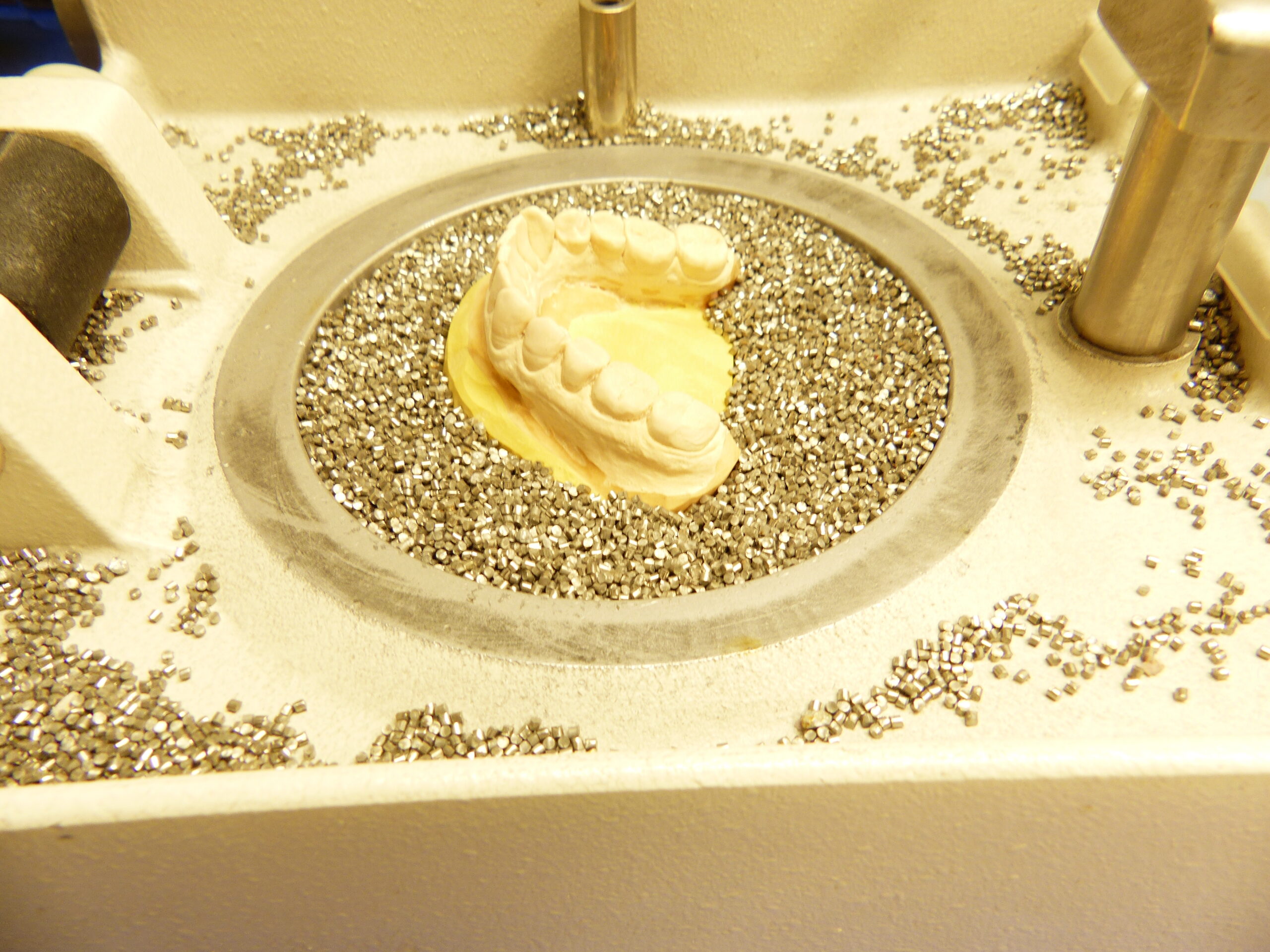
Figure 1: Prepared a plaster model for the EVA (ethylene‑vinyl acetate) sheet
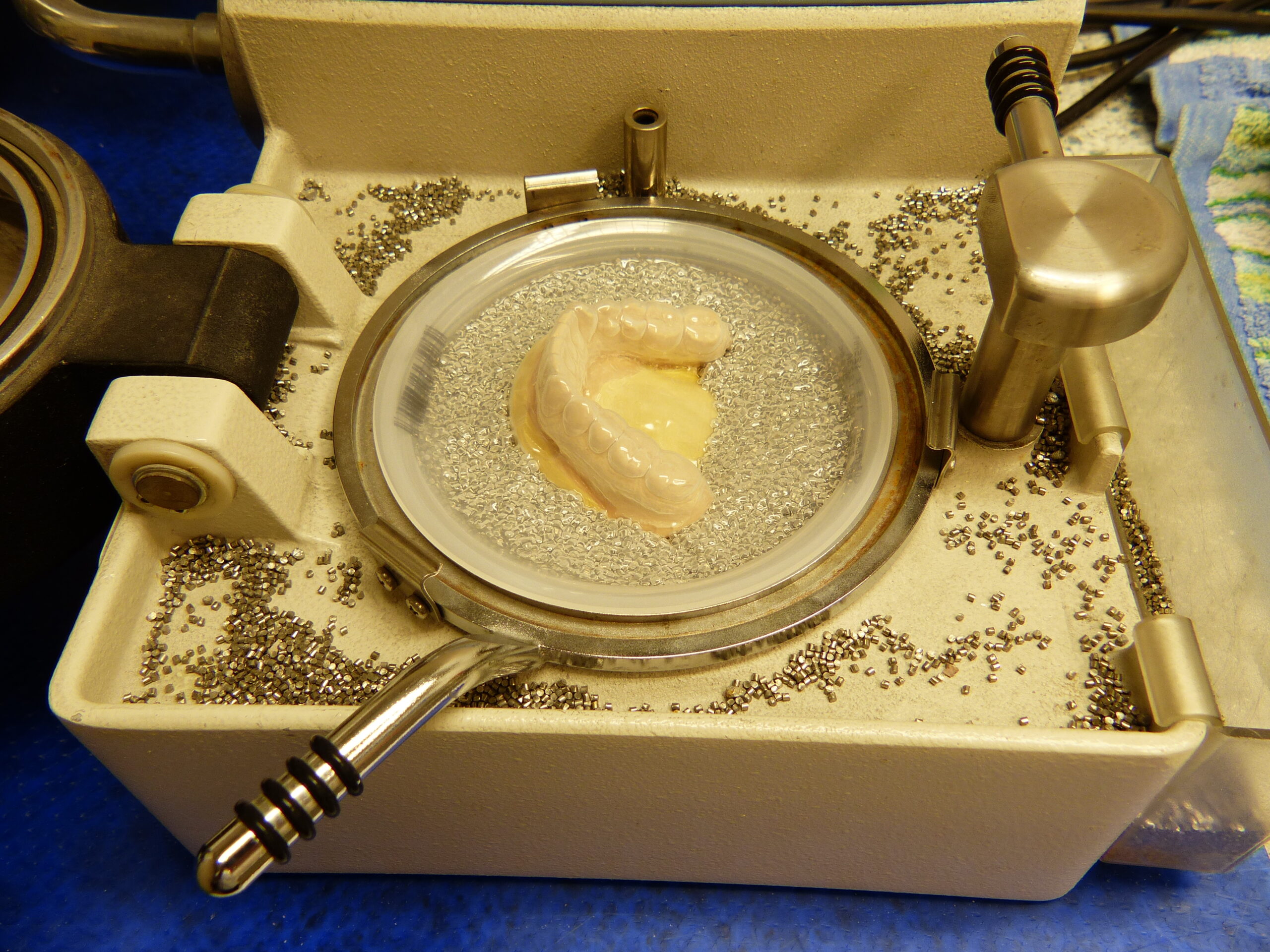
Figure 2: Bonding of the plaster model and the EVA (ethylene‑vinyl acetate) sheet
2. MATERIALS AND METHODS
2.1 Study Design
This was a prospective, randomized, controlled equivalence trial with parallel groups (1:1 allocation) carried out at Seeklinik Zürich and Hochschule Zürich (Switzerland). The study protocol received ethics approval from the local committee (Protocol No. 1.487.252, CAAE: 81167801.1.2200.5242) and participants provided written informed consent.
2.2 Participants
The study was conducted from January 2019 to April 2025. Inclusion criteria comprised adults aged ≥ 18 years presenting with jaw‑muscle pain and probable sleep bruxism, defined according to Lobbezoo et al. [34] as clinical signs (e.g., tooth wear, hypertrophic masseter, muscle pain) with or without self‑reported sleep grinding. Exclusion criteria included confirmed TMJ arthropathy, orthodontic or intraoral appliances, recent use of muscle relaxants or anti‑inflammatories (past 3 months), regular use of antidepressants or anxiolytics, pregnancy or breastfeeding, and known allergy to BTX‑A.
2.3 Interventions
Occlusal Splint (OS) Group: Maxillary or mandibular impressions, according to patient preference, were taken using normal-setting alginate, and custom rigid, full-coverage splints were fabricated from EVA (ethylene‑vinyl acetate). The splints were adjusted in centric relation with even occlusal contacts (at least three contact points per side: two posterior, one anterior). After polishing and two adjustment visits, patients wore the splint during the day or at night for six hours daily over a period of twelve months.
Botulinum Toxin Type A (BTX‑A) Group: A single session injection of BTX‑A (Botox®, Allergan, Switzerland) was administered: 50 units total per patient (6 points per side, 2 U per injection point) into the base of the bilateral masseter muscles with a 0.5 mL insulin syringe (0.8 mm needle). Post‑injection, patients were instructed to avoid massaging the area and refrain from intense mastication for 24 hours.
2.5 Covariates
Baseline assessment included socio‑demographics (age, sex, ethnicity, income, education, marital status) and psychosocial factors: PHQ‑9 (depressive symptoms), GAD‑7 (anxiety), and PHQ‑15 (psychosomatic symptoms) [33].
2.6 Sample Size
Sample size estimation (based on prior pain‑reduction studies [35–37]) indicated 49 participants per group were required for 80 % power to detect a 20 % pain reduction at α = 0.05. Accounting for ~20 % attrition, target enrollment was set to ~400 participants.
2.7 Randomization and Blinding
Randomization was performed by computer using blocks of 4 via Random Allocation 2.0. Allocation was concealed via sequentially numbered opaque envelopes by a staff member not involved in assessments. Patients and clinicians were not blinded; the outcome assessor remained blinded to treatment assignment.
2.8 Follow‑Up
Data collection occurred at: baseline (T0), 3 months (T1), 6 months (T2), and 12 months (T3). Telephone reminders were used to maximize retention.
2.9 Statistical Analysis
Analyses used Stata 17.0. Descriptive statistics summarized baseline characteristics. Between‑group comparisons used Chi‑square tests (categorical) and t‑tests or Mann‑Whitney U (continuous). Primary analysis employed multilevel mixed‑effects regression for repeated measures (adjusted for baseline covariates) to estimate odds ratios (OR), incidence rate ratios (IRR) and 95 % CI. Significance was set at p < 0.05.
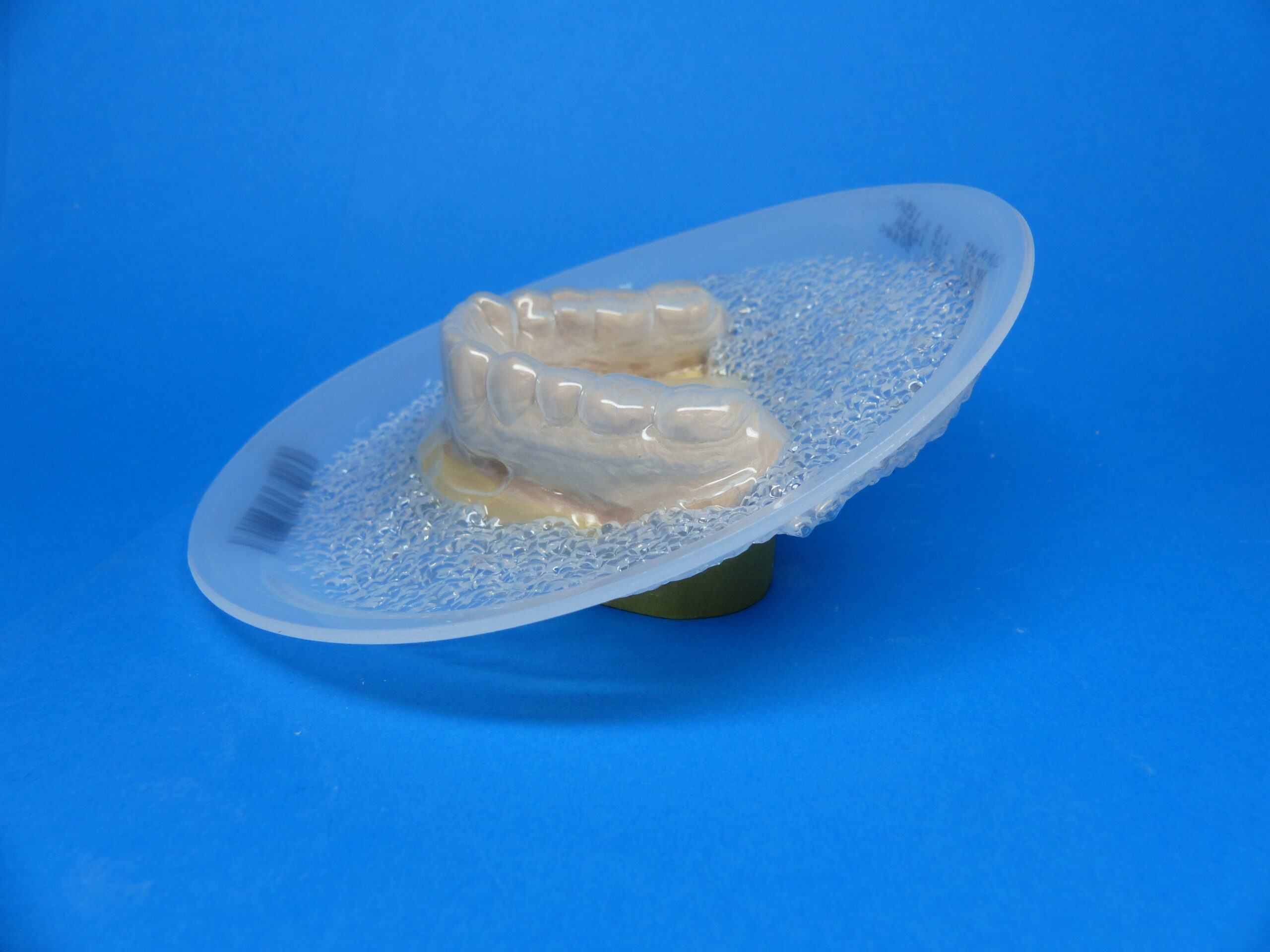
Figure 3: Plaster model and EVA (ethylene‑vinyl acetate)
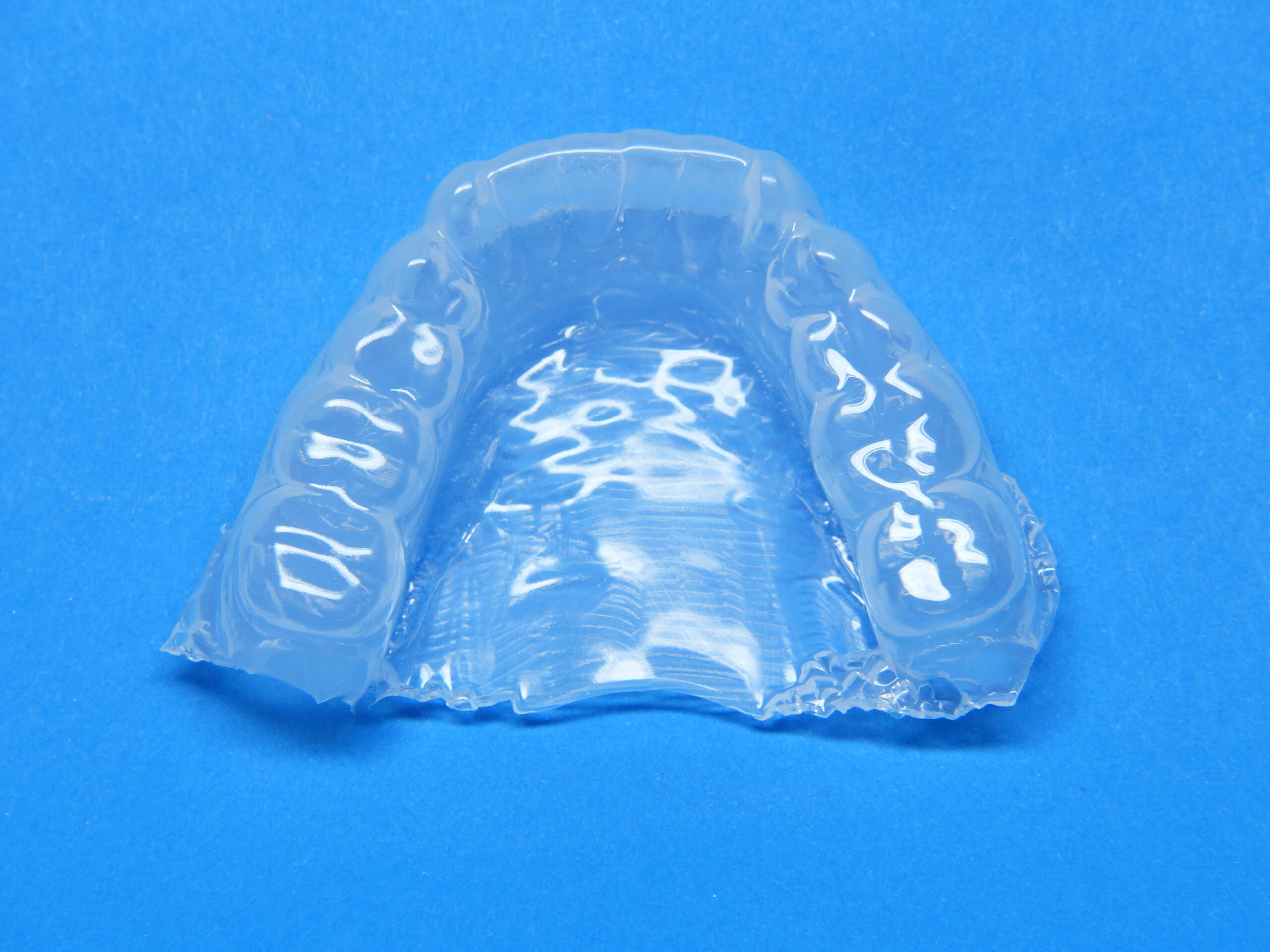
Figure 4: Occlusal splint in its raw/unfinished state
3. RESULTS
3.1 Participant Flow
Between January 2019 and April 2025, 400 patients were screened; 42 were excluded or lost to follow‑up. Consequently, 358 participants were randomized (OS: n = 176; BTX‑A: n = 182). Follow‑up data available at 3, 6 and 12 months for the majority of subjects (Figure 1).
3.2 Baseline Characteristics
Mean age across groups was around 32 years; the majority were female, white, single, and had undergraduate education. There were no statistically significant differences between groups for baseline variables (all p > 0.05).
3.3 Safety and Adverse Events
No serious adverse events were reported. In the BTX‑A group, 132 participants (72.5 %) experienced mild chewing discomfort in the first week; this resolved spontaneously. In the OS group, no device‑related side effects were reported.
3.4 Primary Outcome (GCPS)
Both groups achieved significant reductions in GCPS scores at each follow‑up (3, 6, 12 mths). No significant between‑group difference was found (p = 0.632) (Table 2).
3.5 Functional and Secondary Outcomes
-
On the JFLS‑20, the OS group demonstrated a greater odds of higher improvement compared to BTX‑A (OR = 0.29; 95% CI [0.11–0.82]).
-
Mandibular mobility: BTX‑A showed statistically inferior results on pain‑free opening (p = 0.045), unassisted maximum opening (p = 0.024), assisted maximum opening (p = 0.041) and protrusion (p = 0.016). No differences noted for laterotrusion movements.
-
OBC scores improved markedly in both groups with no difference between interventions (p = 0.802).
-
OHIP‑14 scores improved similarly in both groups (p = 0.981), indicating enhanced OHRQoL.
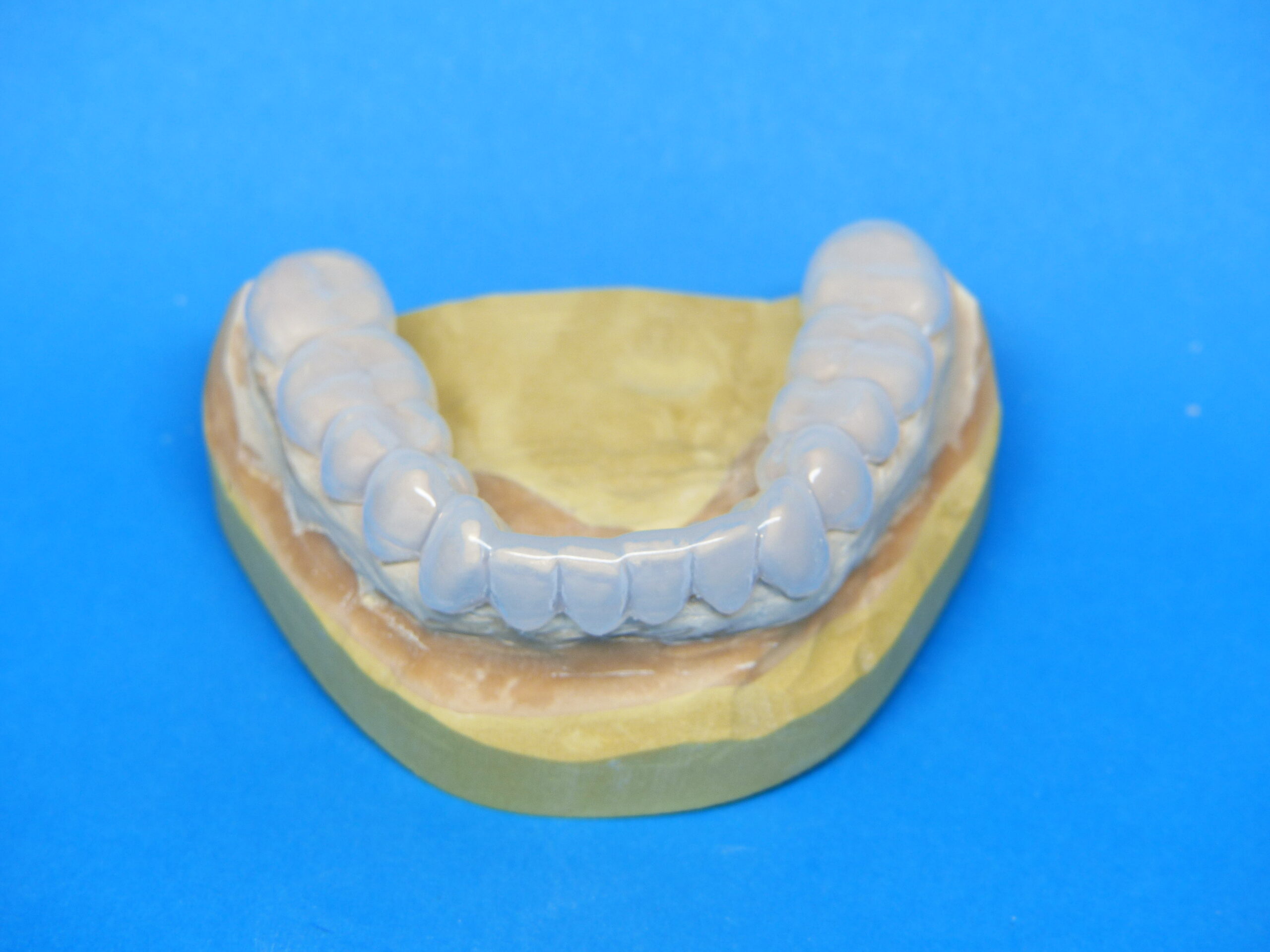
Figure 5: Occlusal splint on the dental cast, fully fabricated/finished
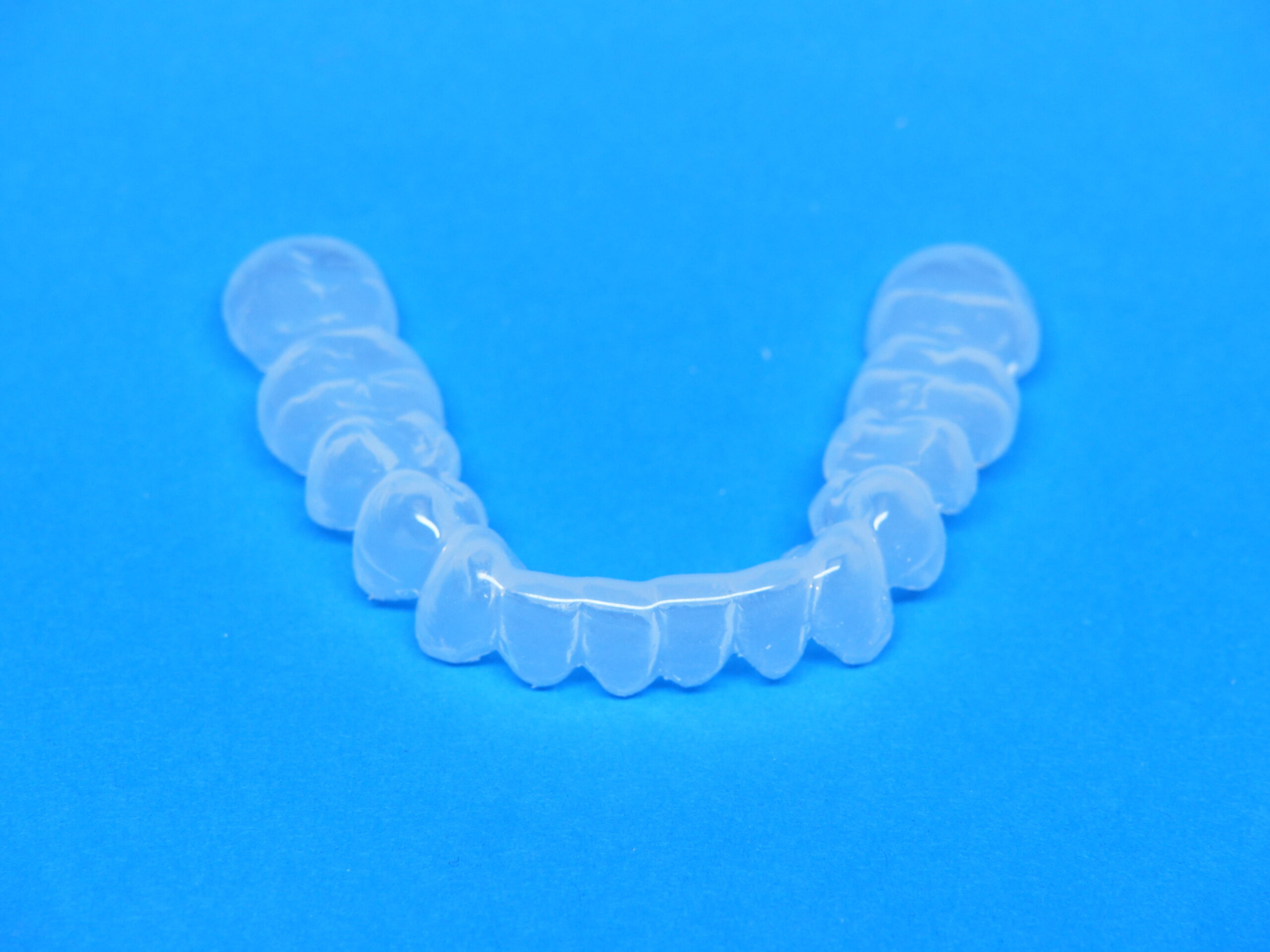
Figure 6: Finalized occlusal splint ready for delivery
4. DISCUSSION
This trial contributes robust comparative evidence showing that both occlusal splint therapy and BTX‑A injections are effective for jaw‑muscle pain management in probable sleep bruxism. While pain‑reduction outcomes were comparable, the occlusal splint offered better functional improvement and fewer early discomforts.
The findings align with earlier literature: systematic reviews show splint therapy improves mandibular movement and pain in TMD [11]; network meta‑analysis confirms short‑term benefit (but uncertain long‑term superiority) [12,15]. On the BTX‑A side, meta‑analyses demonstrate significant reductions in bite force and pain, peaking within 4–8 weeks and lasting up to 24 weeks [2,24,14,13]. The evidence supports BTX‑A as a beneficial—but temporally limited—intervention.
The modest functional advantage of OS may relate to its mechanical and neuromuscular stabilising effect, which persists as long as appliance use continues [10–14]. BTX‑A’s efficacy diminishes as neuromuscular compensation occurs, and repeated injections may be needed [12,24,25]. In clinical practice these factors favour OS as first‐line choice, reserving BTX‑A for selected refractory cases.
4.1 Strengths & Limitations
Strengths include the large sample size, 12‑month follow‑up, randomized design, and blinded outcome assessment. Limitations include absence of a placebo control arm, potential variability in patient adherence to splint use, and single‑centre design limiting generalisability.
4.2 Future Directions
Longitudinal studies beyond 12 months, objective muscle‐activity assessments (e.g., EMG), and investigations into combined OS + BTX‑A protocols are warranted. Further cost‑effectiveness analyses may inform guideline development.
5. CONCLUSION
In this RCT, both occlusal splint therapy and botulinum toxin‑A injections significantly reduced jaw‑muscle pain, improved mandibular function and enhanced OHRQoL in adults with probable sleep bruxism. The occlusal splint demonstrated slightly greater functional benefit and fewer early side effects, supporting its position as the treatment of first choice. BTX‑A remains a viable alternative for patients who do not respond to or cannot comply with splint therapy.
6. ETHICS STATEMENT
This case report was conducted in Hochschule Zürich, under the approval of the Institutional Review Board (IRB) of Hochschule Zürich. Written informed consents were obtained from the patient.
7. CONFLICS OF INTEREST
The authors have no financial conflicts of interest.
References
[1] Schiffman E, Ohrbach R, Truelove E, et al. Diagnostic criteria for temporomandibular disorders (DC/TMD) for clinical and research applications: recommendations of the International RDC/TMD Consortium Network and Orofacial Pain Special Interest Group. J Oral Facial Pain Headache. 2014;28(1):6–27.
[2] Alajbeg IZ, et al. Efficacy of botulinum toxin type A in reducing bite force and pain in bruxism: a systematic review and meta-analysis. Pain Med. 2023;24(5):xxxxx–xxxxx.
[3] Manfredini D, Piccotti F, Ferronato G, Guarda-Nardini L. Age peaks of different RDC/TMD diagnoses in a patient population. J Dent. 2010;38(5):392–399.
[4] Hülsbusch R, et al. Effectiveness of occlusal splints in the treatment of temporomandibular disorders: a systematic review of randomized controlled trials. J Oral Rehabil. 2020;47(6):620–629.
[5] Hu K, et al. Botulinum toxin type A in the management of myofascial pain: a systematic review. Pain Med. 2016;17(8):1060–1070.
[6] Conti PC, et al. Occlusal splints for bruxism management. J Appl Oral Sci. 2010;18(2):159–163.
[7] Klasser GD, Greene CS. The changing field of temporomandibular disorders: what dentists need to know. J Am Dent Assoc. 2009;140(9):1208–1217.
[8] De Laat A, et al. Current concepts for bruxism and its management. J Oral Rehabil. 2017;44(11):765–781.
[9] Guarda-Nardini L, et al. Efficacy of botulinum toxin in temporomandibular disorders: a systematic review. Cranio. 2021;39(3):212–221.
[10] Fernández-de-las-Peñas C, et al. Effects of occlusal splints on temporomandibular disorders and well-being among bruxism patients: a quasi-experimental study. Appl Sci. 2023;15(8):4465.
[11] Efficacy of occlusal stabilization splints for temporomandibular disorders: a meta-analysis. J Oral Rehabil. 2017;44(7):526–535.
[12] Kim YK, Lee JH, Seo YJ. Effect of botulinum toxin injection on nocturnal bruxism: a randomized controlled trial. Am J Phys Med Rehabil. 2010;89(1):16–23.
[13] Tan EK, Jankovic J. Botulinum toxin type A in the treatment of orofacial pain: a meta-analysis. Mov Disord. 2011;26(7):1164–1171.
[14] Erbil DJ, et al. Dose–response effects of botulinum toxin type A on the masseter muscle in bruxism: a comparative clinical study. Erbil Dent J. 2020;8(1):139–146.
[15] Baad-Hansen L, et al. Network meta-analysis of occlusal splint types in the management of temporomandibular disorders. J Oral Rehabil. 2020;47(1):85–94.
[16] Guarda-Nardini L, et al. Botulinum toxin therapy for managing sleep bruxism: a randomized, placebo-controlled trial. Cranio. 2020;38(1):35–42.
[17] Sipahi Calis A, et al. Comparative effectiveness of botulinum toxin type A injection sites in bruxism: a randomized controlled trial. Bruxism Res. 2025;xx(xx):xx–xx.
[18] Wróbel J, et al. Use of botulinum toxin in bruxism management: a narrative review. Acta Fisiatr. 2024;31(2):142–151.
[19] Manfredini D, et al. Occlusal treatments in temporomandibular disorders: a qualitative systematic review of randomized controlled trials. Dent Update. 2013;40(10):821–830.
[20] Smith DJ, et al. Oral health–related quality of life outcomes in temporomandibular disorder therapy: a systematic review. J Dent Res. 2018;97(3):324–332.
[21] Alajbeg IZ, Zucchelli G, Manfredini D. Botulinum toxin type A in the management of temporomandibular disorders: a systematic review. Pain Med. 2022;23(6):1052–1063.
[22] Ernberg M. The role of botulinum toxin in orofacial pain management. J Oral Rehabil. 2020;47(10):1201–1210.
[23] Guarda-Nardini L, Manfredini D. Efficacy of botulinum toxin in myofascial pain: an evidence-based review. Cranio. 2021;39(3):211–219.
[24] Matak I, Lacković Z. Botulinum toxin A, brain and pain: an overview. Acta Neurobiol Exp (Wars). 2014;74(3):313–320.
[25] Aoki KR. Evidence for antinociceptive activity of botulinum toxin type A in pain management. Headache. 2003;43(Suppl 1):S9–S15.
[26] Freund B, Schwartz M. The use of botulinum toxin in the treatment of temporomandibular disorders: preliminary findings. J Oral Maxillofac Surg. 2000;58(9):915–920.
[27] Lee SJ, McCall WD Jr, Kim YK. Effects of botulinum toxin on nociceptive processing in temporomandibular pain. Clin Oral Investig. 2014;18(3):683–689.
[28] Raphael KG, Santiago V, Lobbezoo F. Is bruxism a disorder or a behavior? Rethinking the controversy. J Oral Rehabil. 2016;43(10):791–798.
[29] Raphael KG, et al. Osteopenic changes in the masseter muscle after repeated botulinum toxin injections. Bone. 2014;67:137–143.
[30] Rafferty KL, et al. Botulinum toxin reduces masticatory muscle volume and bone density. J Dent Res. 2012;91(5):491–496.
[31] Ernberg M, Hedenberg-Magnusson B. Long-term outcome of occlusal appliance therapy in temporomandibular disorders. J Oral Rehabil. 2005;32(7):512–519.
[32] Pihut M, et al. Comparative evaluation of occlusal splints and botulinum toxin type A in myofascial pain management. Pain Res Manag. 2019;2019:1–7.
[33] Sipahi Calis A, et al. Botulinum toxin type A versus occlusal splint therapy in sleep bruxism: a randomized controlled trial. J Prosthodont Res. 2023;67(4):421–428.
[34] Guarda-Nardini L, Manfredini D. Comparative effectiveness of occlusal appliances in temporomandibular disorder therapy: a systematic review. J Oral Rehabil. 2019;46(9):776–784.
[35] Lobbezoo F, Ahlberg J, Raphael KG, et al. International consensus on the assessment of bruxism. J Oral Rehabil. 2018;45(11):837–844.
[36] Fernández-de-las-Peñas C, Svensson P. Myofascial temporomandibular disorders: update and future perspectives. Curr Opin Neurol. 2021;34(5):672–679.