Journal of Medicine and Dentistry
International Peer-Reviewed Journal of Medical and Dental Sciences
An international journal devoted to the advancement of scientific knowledge and clinical excellence in both medicine and dentistry, serving practitioners and researchers worldwide
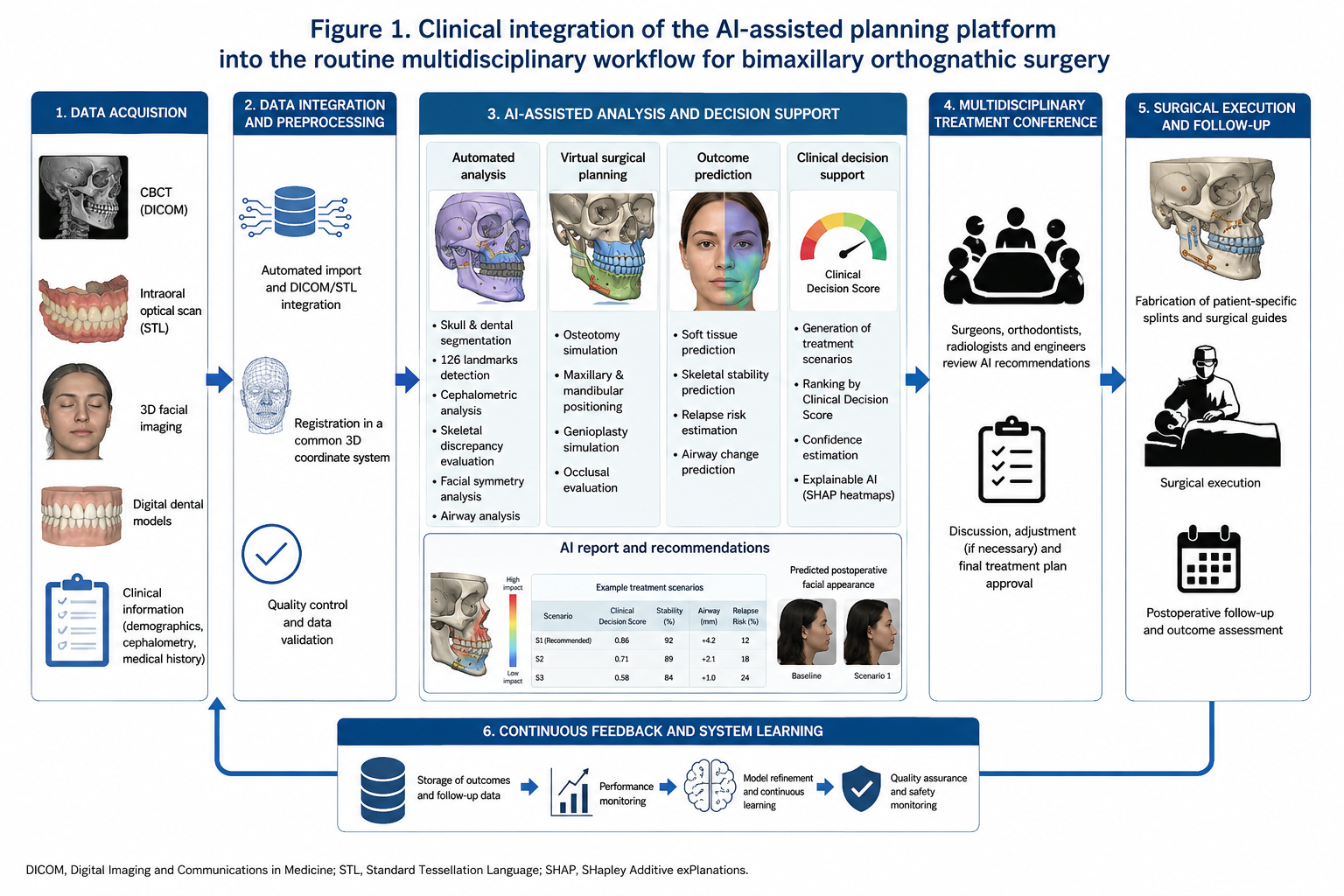
Multicenter Validation Study – June 10, 2026
Clinical Implementation of Artificial Intelligence–Assisted Personalized Orthognathic Surgery
Yildirim A., Hertach R., and Yildirim V.
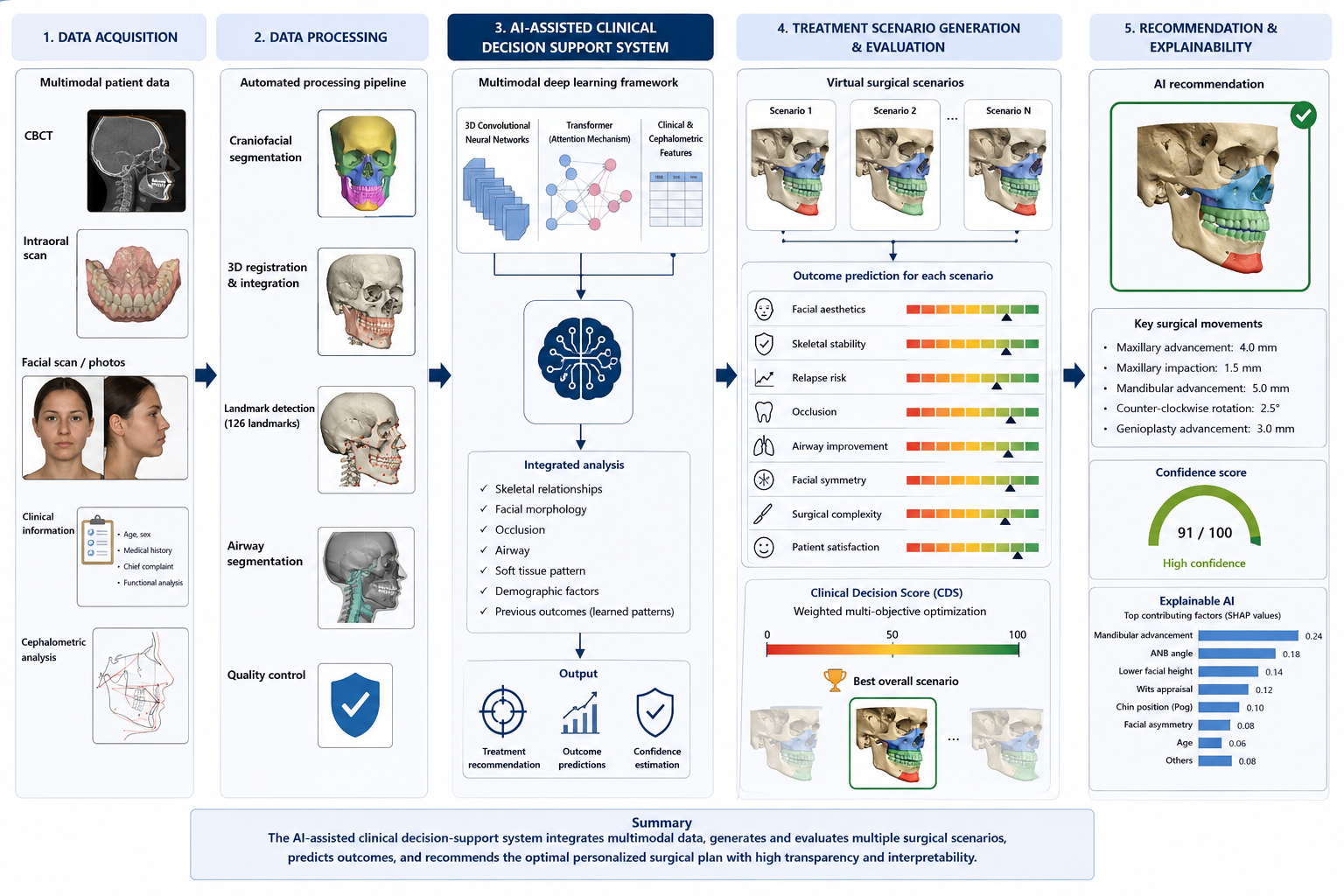
Prospecitve Multicenter Study – June 05, 2026
Artificial Intelligence–Assisted Clinical Decision Support for Personalized Bimaxillary Orthognathic Surgery
Yildirim A., Hertach R., and Yildirim V.

Multicenter Simulation Study – May 30, 2026
Artificial Intelligence–Assisted Prediction of Postoperative Soft Tissue Outcomes and Skeletal Stability Following Bimaxillary Orthognathic Surgery
Yildirim A., Hertach R., and Yildirim V.
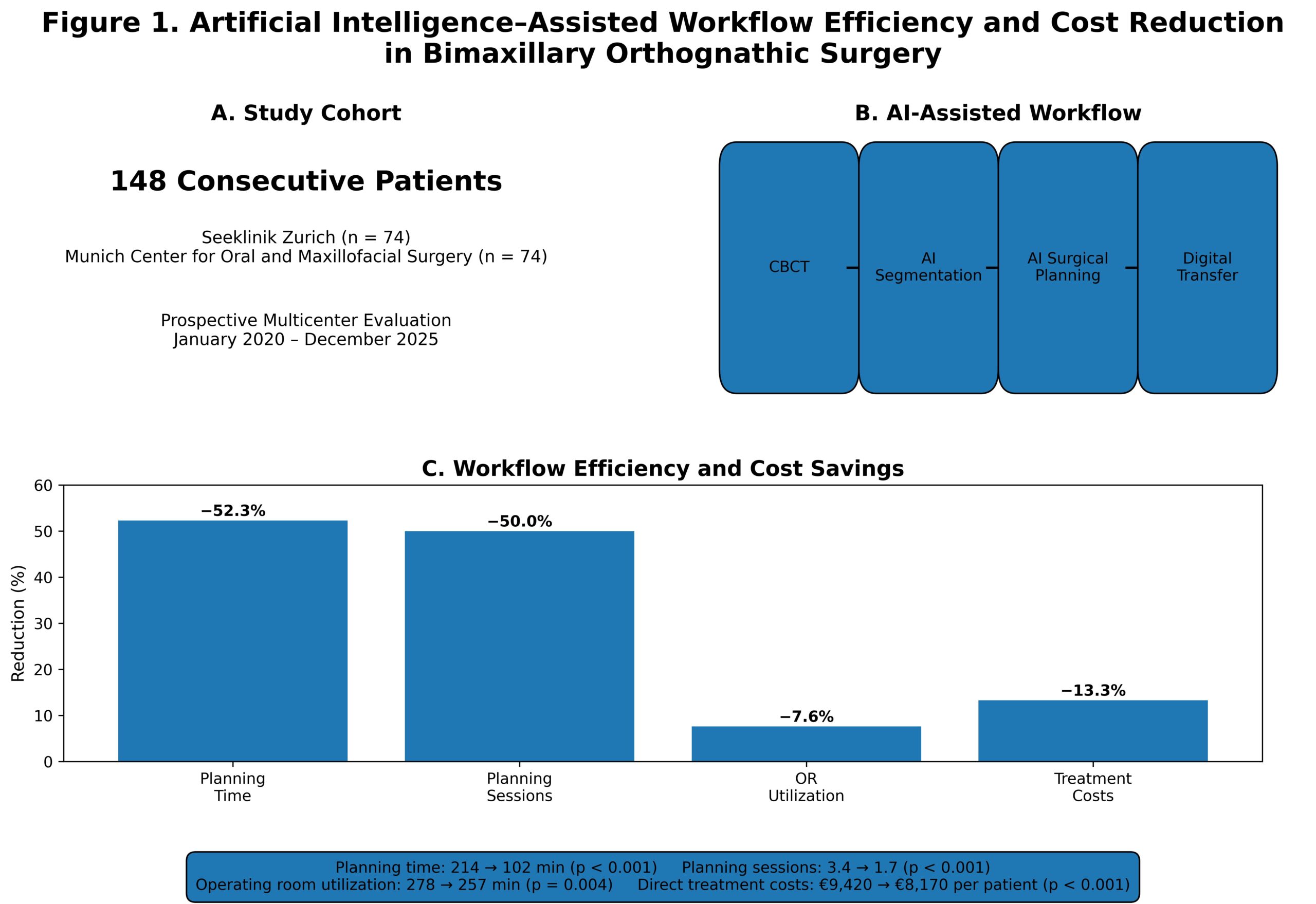
Economic Analysis – May 23, 2026
Artificial Intelligence-Assisted Workflow Efficiency and Cost Reduction in Bimaxillary Orthognathic Surgery
Yildirim A., Hertach R., and Yildirim V.
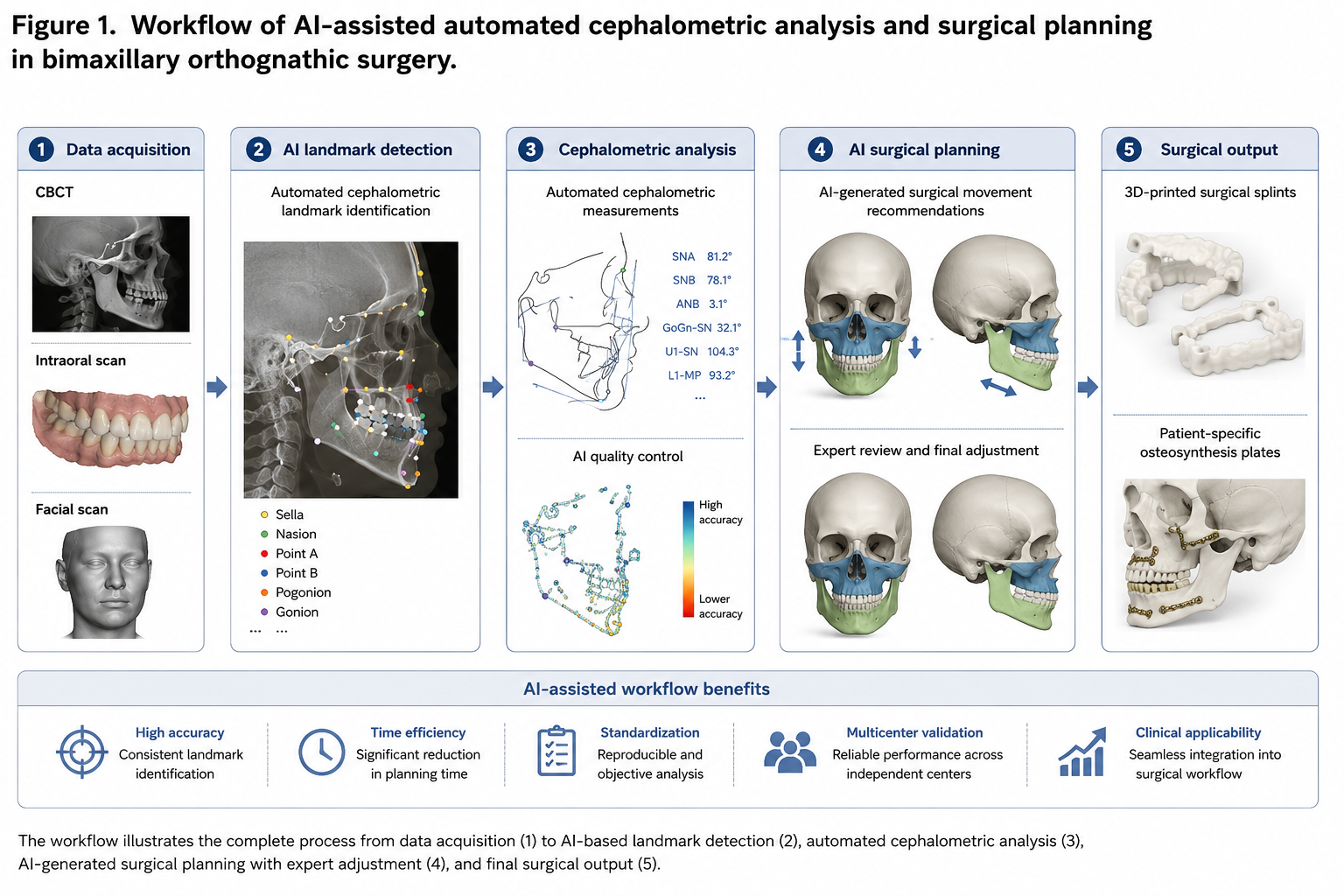
Multicenter Valid. Study – May 17, 2026
Artificial Intelligence-Assisted Automated Cephalometric Analysis and Surgical Planning in Bimaxillary Orthognathic Surgery
Yildirim A., Hertach R., and Yildirim V.
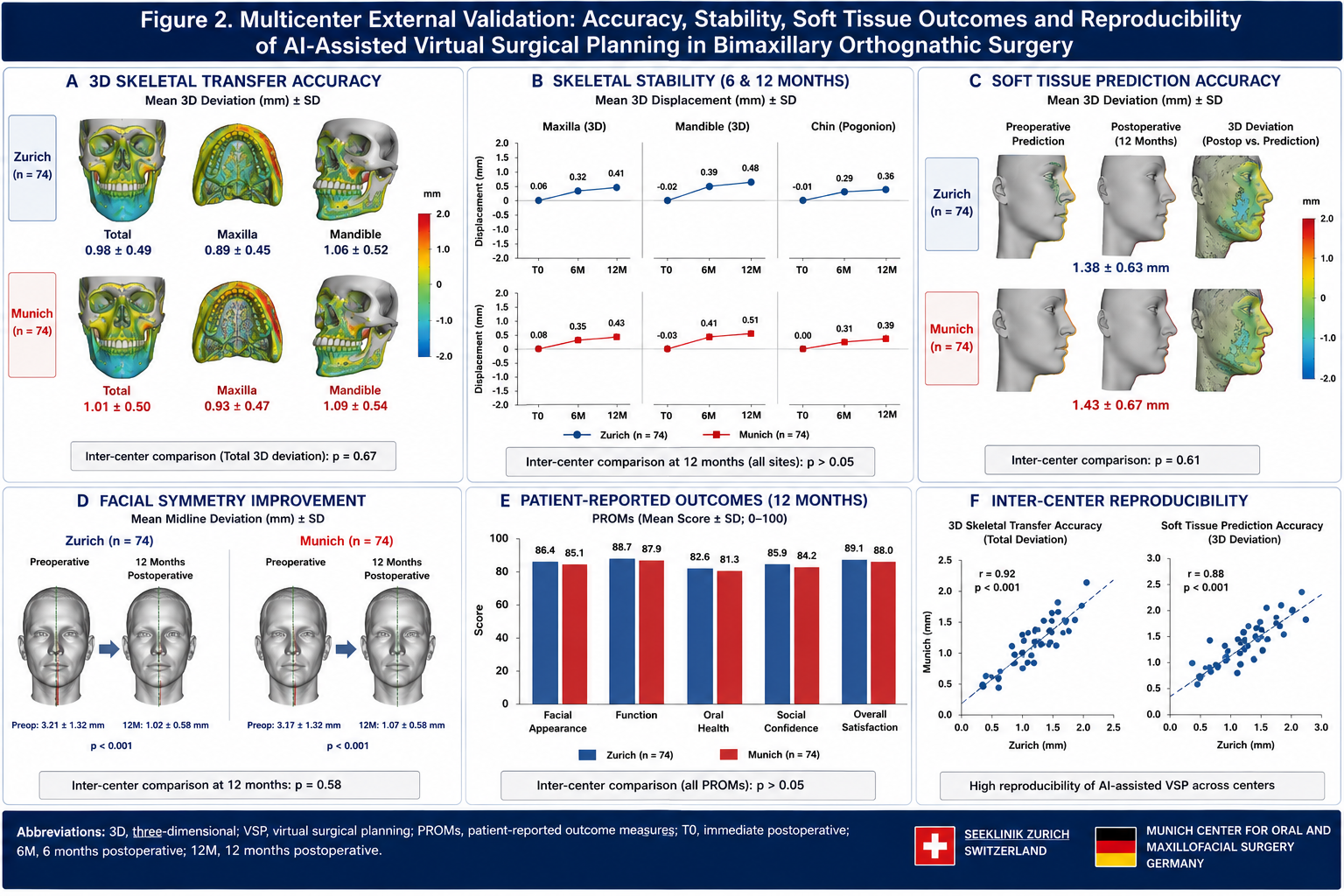
Swiss-German Clin. Study – May 13, 2026
Multicenter External Validation of AI-Assisted Virtual Surgical Planning in Bimaxillary Orthognathic Surgery
Yildirim A., Hertach R., and Yildirim V.
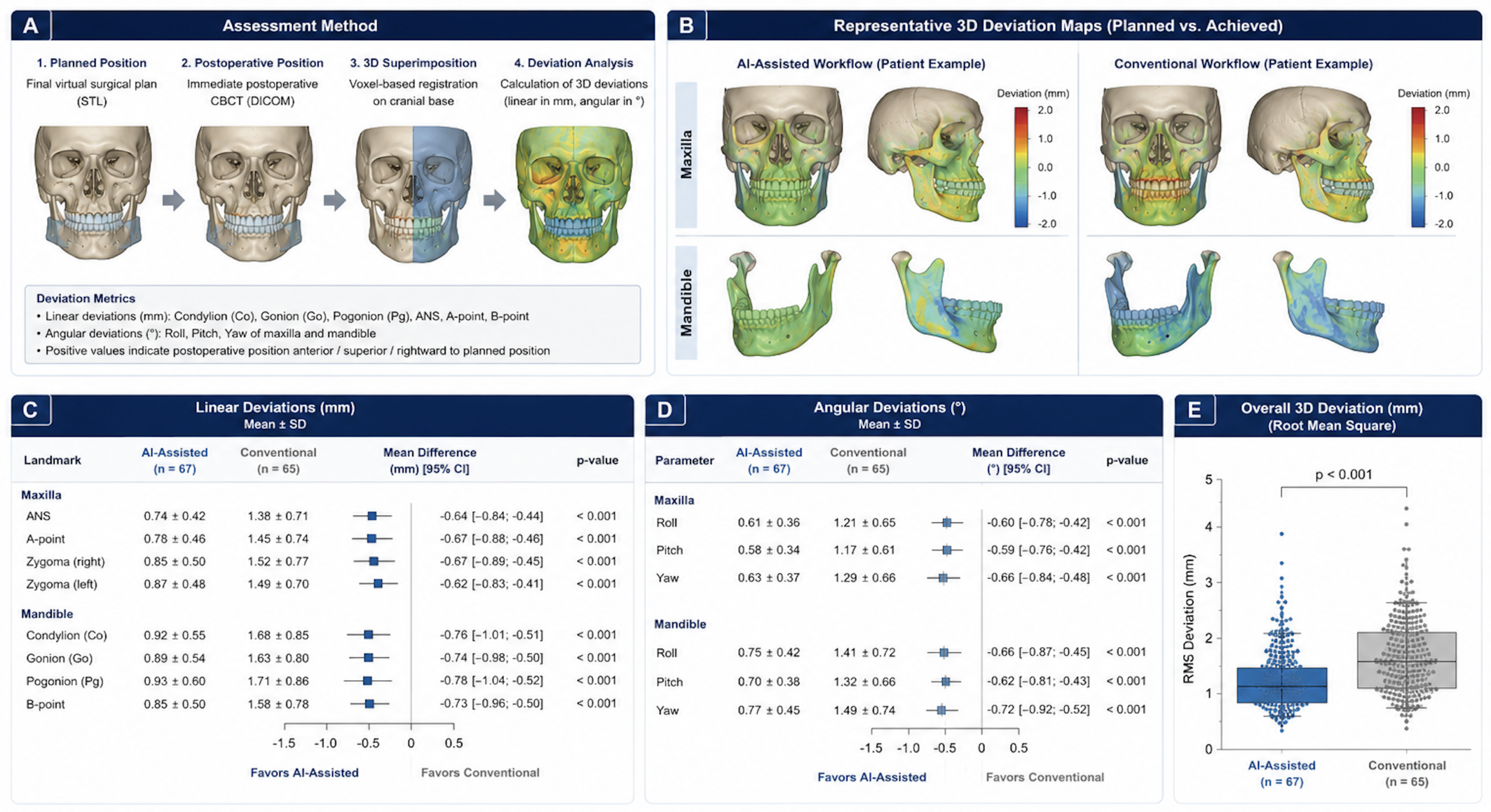
Original Research Article – Apr 28, 2026
Randomized Controlled Trial Comparing AI-Assisted and Conventional Virtual Surgical Planning in Bimaxillary Orthognathic Surgery
Yildirim A., Hertach R., and Yildirim V.
This randomized controlled trial compared AI-assisted and conventional virtual surgical planning in bimaxillary orthognathic surgery. AI-assisted workflows demonstrated improved skeletal transfer accuracy, operative efficiency, and postoperative facial symmetry compared with conventional planning methods.
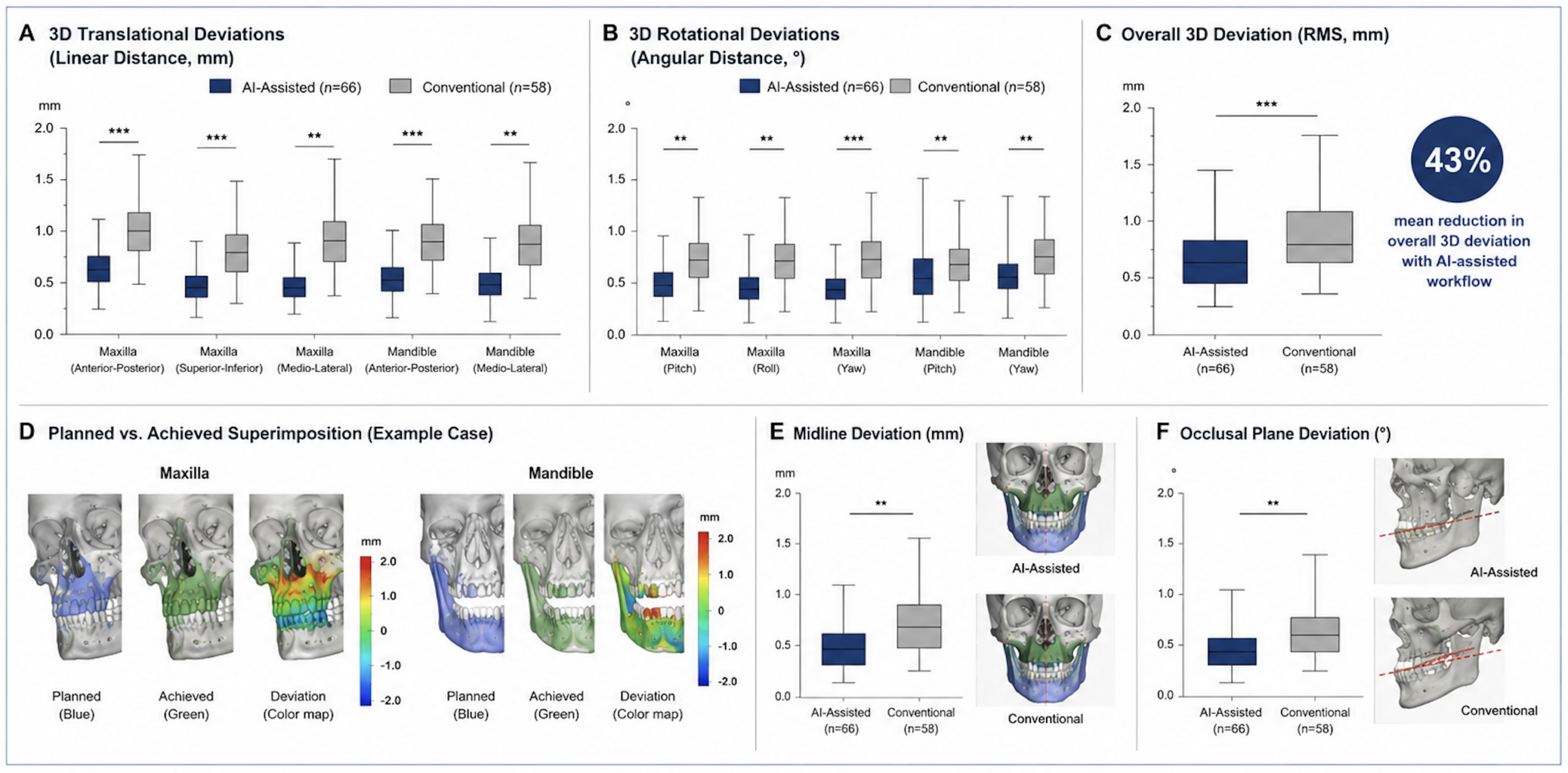
Original Research Article – Apr 24, 2026
Three-Dimensional Accuracy of AI-Assisted Virtual Surgical Planning in Bimaxillary Orthognathic Surgery
Yildirim A., Hertach R., and Yildirim V.
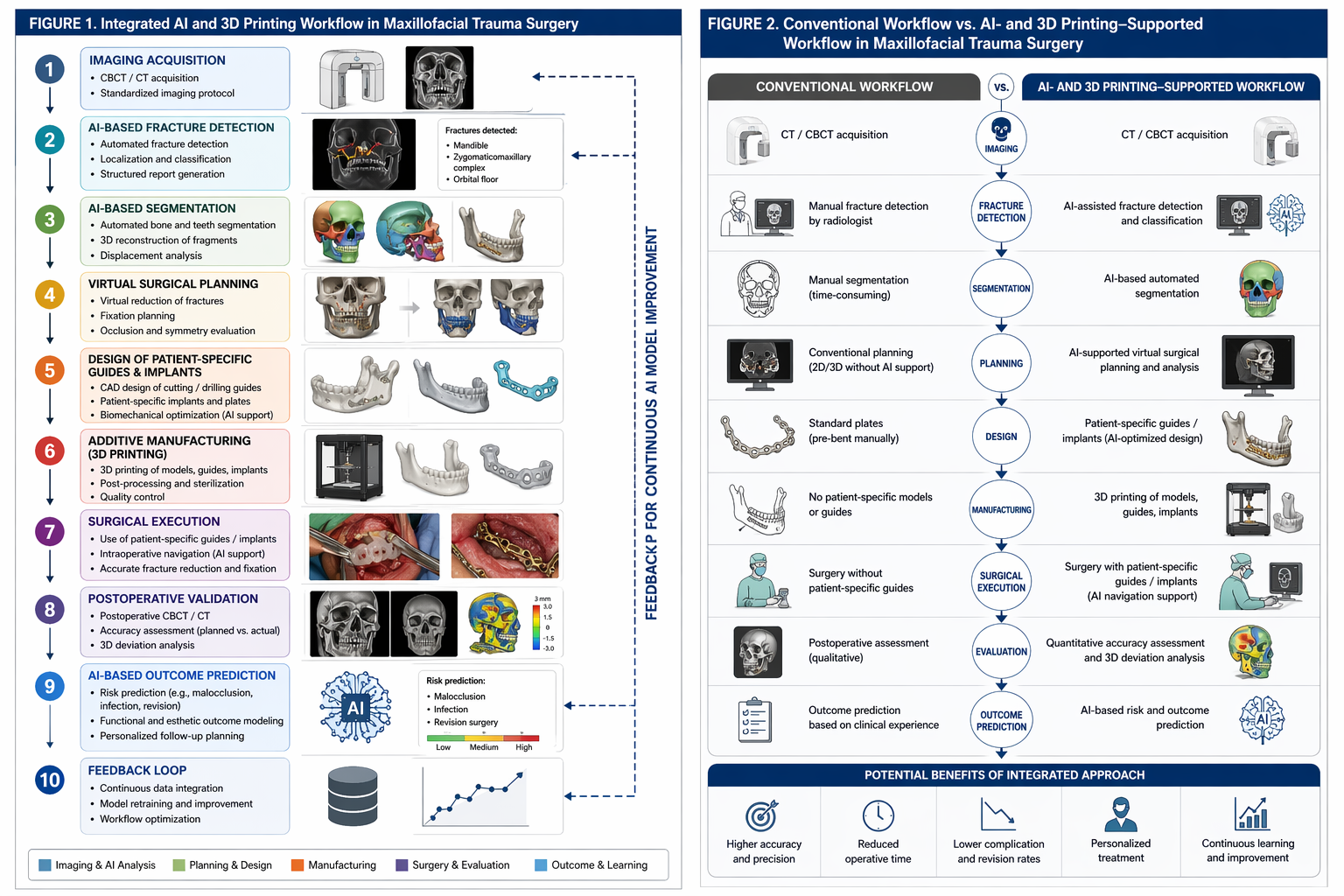
Translat. Framework Study– Mar 21, 2026
Artificial Intelligence and Additive Manufacturing in Maxillofacial Trauma Surgery: A Translational Framework for Fracture Detection, Digital Planning, Patient-Specific Reconstruction, and Outcome Prediction
Yildirim A., Hertach R., and Yildirim V.
Advancing Health at the Intersection of Medicine and Dentistry.
Time to first decision 30 days
Submission to acceptance 120 days
Acceptance to publication 80 days
Acceptance Rate 24%
Journal of Medicine and Dentistry, JMDNT
International Peer-Reviewed Journal of Medical and Dental Sciences
Albisstrasse 80, CH-8038 Zürich
info@jmdnt.com
For authors
Plagiarism Policy
Aims and Scope
Ethical Guidelines
Peer Review Policy
Submission Guidelines
Open Access Policy
For editors
Resources for editors
Publishing Ethics Resource Kit
Guest editors
Member of JMDNT
For reviewers
Reviewer recognitions
Member of JMDNT
Legal Information
Accessibility Statement
Terms of Use
Publication Fees
Archiving Policy
Repository Policy
Privacy Policy
Cookie Policy
Copyright